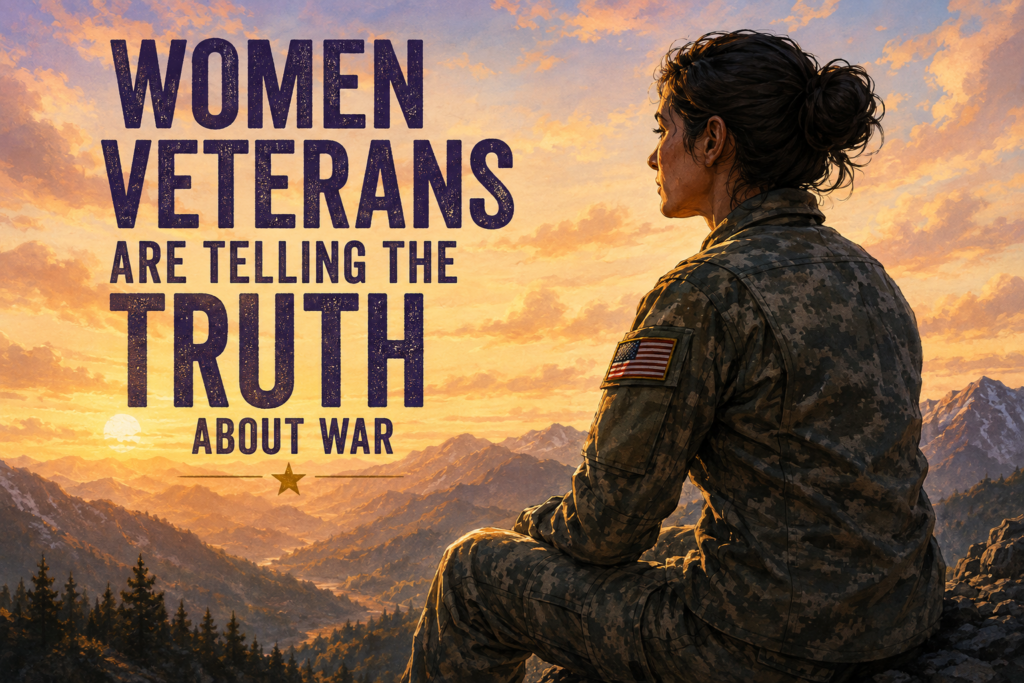
For decades, public narratives about war focused overwhelmingly on men.
Male soldiers.
Male trauma.
Male heroism.
Male reintegration.
But women veterans have always carried their own complex experiences of war, often while navigating systems and cultures that failed to fully acknowledge their realities.
That silence is finally beginning to break.
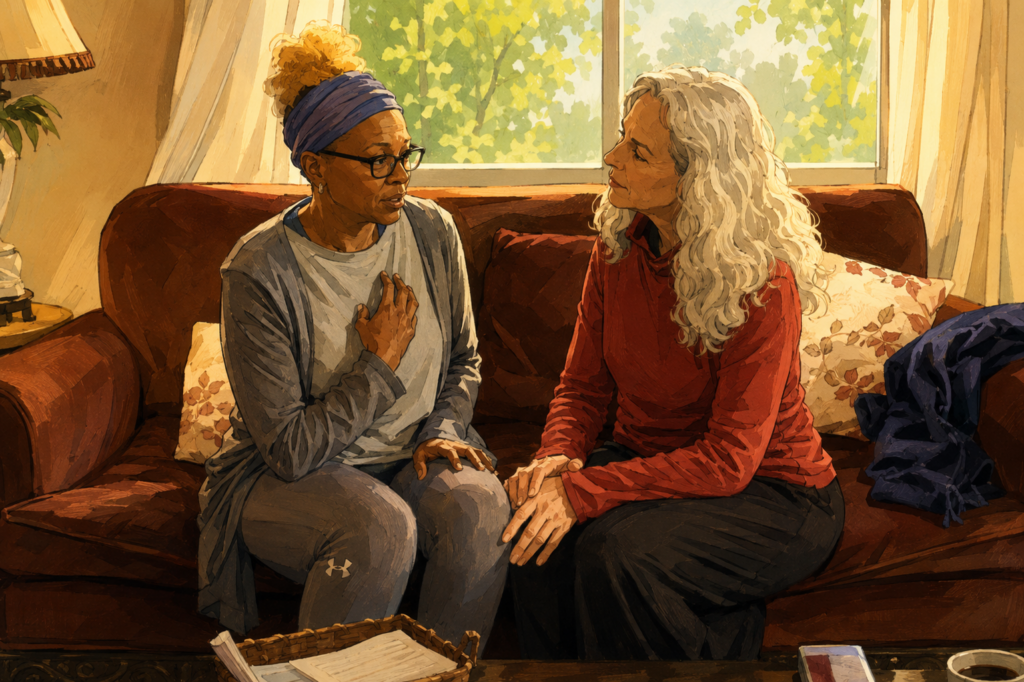
Our Veterans Journey Home series features an episode called “On Black Mountain” where we get a rare glimpse inside a space created for women veterans to finally tell their stories that too often have been overlooked.
These conversations matter because women veterans frequently face challenges unique to their gender.
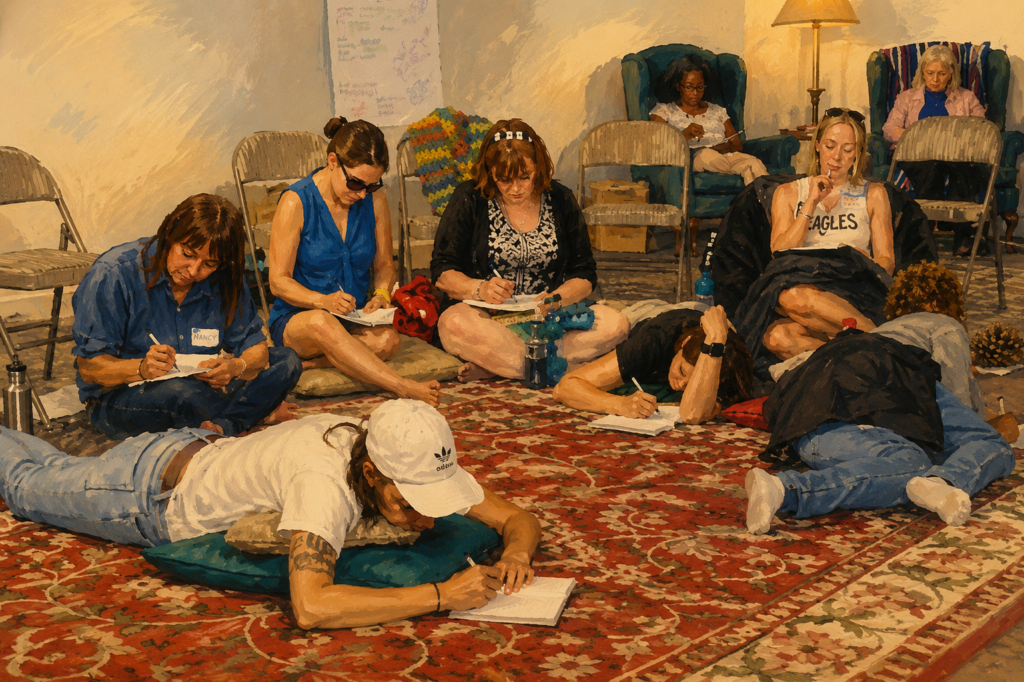
Many carry not only the burdens of combat and deployment, but also experiences of:
- military sexual trauma
- Betrayal by the chain of command
- Discrimination and isolation from male peers
- Failures of military justice
- invisibility after returning home
- difficulty accessing gender-specific support systems
- balancing reintegration with caregiving
- emotional suppression in order to survive institutional cultures
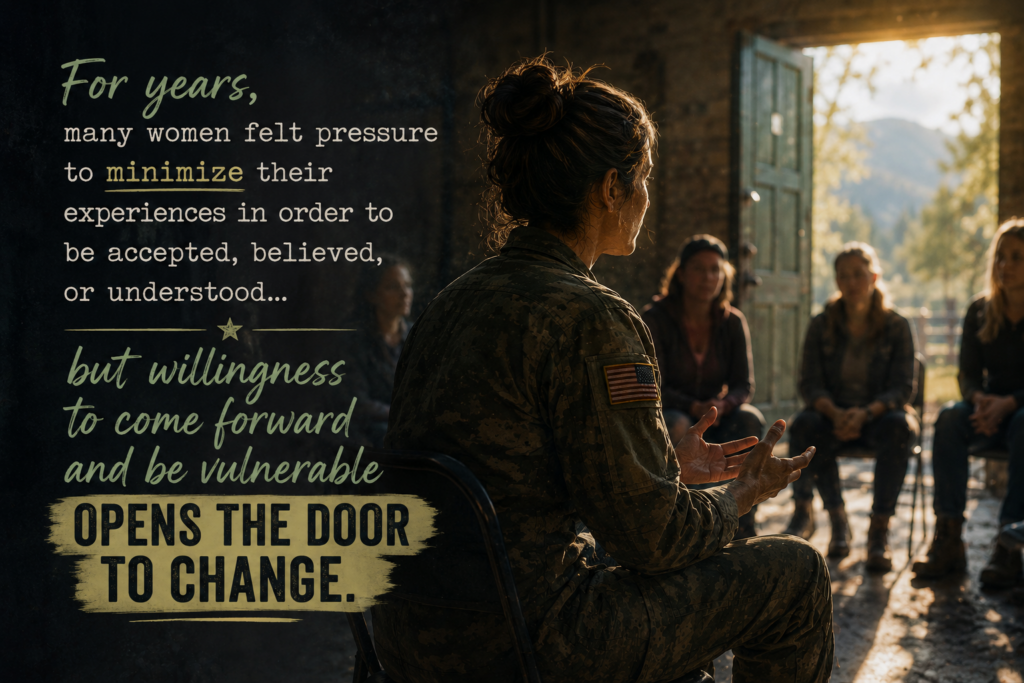
For years, many women felt pressure to minimize their experiences in order to be accepted, believed, or understood…but willingness to come forward and be vulnerable opens the door to change.
As more women veterans speak openly about their journeys, public understanding of war itself becomes more complete. The conversation expands beyond simplistic narratives of toughness and sacrifice into something more human and nuanced.
Importantly, these stories are not solely about suffering. They are also about healing.
Many women veterans are leading urgent conversations around:
- emotional intelligence
- trauma-informed healing
- community care
- mindfulness
- embodiment
- Spirituality
- Motherhood and service
- peer support
- Resilience and post-traumatic growth
In doing so, they challenge outdated assumptions about strength.
Strength is not silence.
Strength is not pretending pain does not exist.
Strength is not emotional isolation.
Real strength often looks like truth-telling.
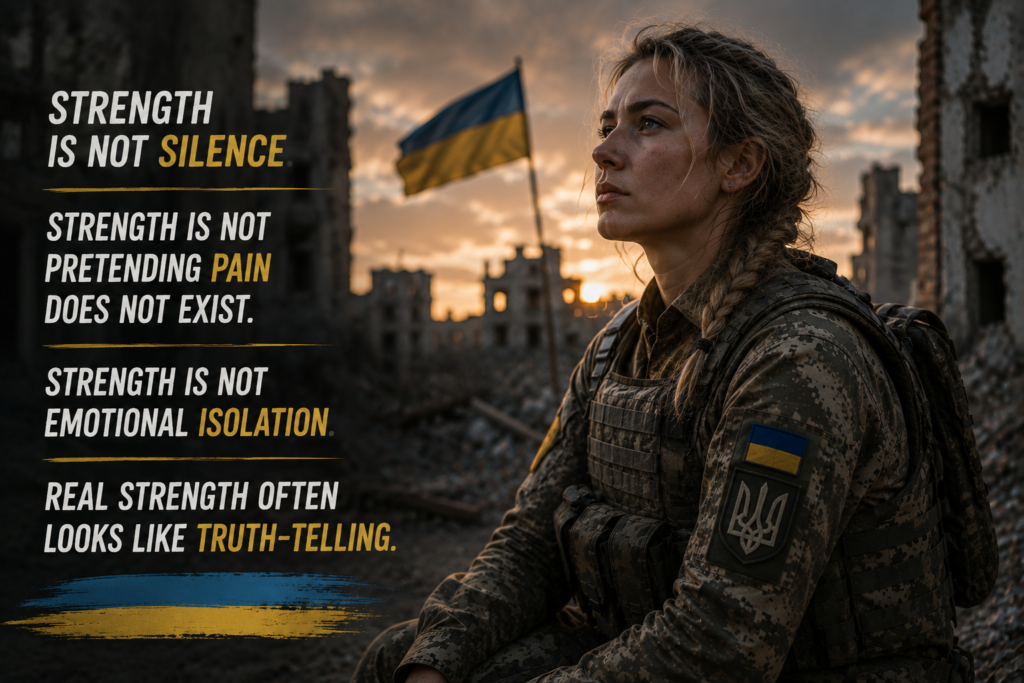 As society increasingly reevaluates how we talk about trauma, identity, and healing, women veterans offer powerful perspectives on resilience and transformation.
And perhaps most importantly, their stories remind us that no single narrative can fully capture the reality of war, or the complexity of coming home. And so it goes with our multi-faceted, five part series.
A note on Ukrainian women soldiers:
Though service is mandatory for all men aged 25-60, over 70,000 women volunteered to serve within the broader armed forces and national guard, comprising roughly 7% – 8% of total active personnel, with thousands operating directly on or near the front lines.
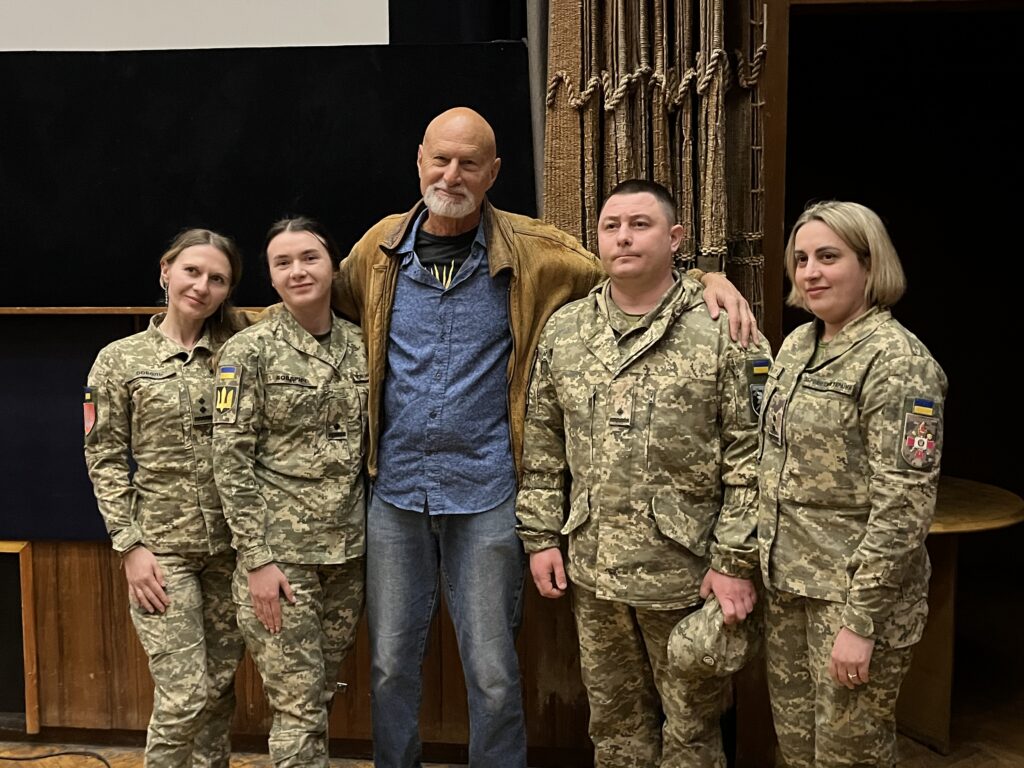
With soldiers following Kyiv’s House of Cinema screening.
Reforms to conscription laws in 2018 opened the way for women to serve in virtually every capacity. In combat, women serve as snipers, artillery commanders, machine gunners, infantry, and specialized drone (UAV) operators. Thousands work as combat medics, paramedics, truck drivers in combat zones, and intelligence or engineering specialists. In short, they are doing everything that male soldiers do and not one of them because they have to. No less than men, they too have children, spouses, and parents to protect, homes and communities to defend, and freedoms to safeguard. In recognition of their service, my hat is off to them.